Nobody thinks about their boiler until the radiators go cold or the hot water fades to a trickle. Then every hour without heat stretches. The decision to call a local boiler engineer or a national firm arrives with a mix of urgency and uncertainty. I have worked on both sides of that divide, from vans parked on terraced streets in Leicester to nationwide dispatch centres routing calls across counties. The differences are real, and they matter to how quickly you get back to normal, how much you pay, and how confident you feel when you switch the heating back on.
This guide unpacks those differences in practical terms. It looks at response times, pricing structures, technical capability, parts availability, safety compliance, warranties, and customer care, drawing on lived experience and real conditions in places like Leicester. It also touches on use cases that tilt the balance: landlord portfolios, commercial plant rooms, listed buildings, and homes with tricky flues or legacy pipework. If you need local emergency boiler repair, or you are planning a seasonal service before winter, you should understand the trade offs before you book.
Why the choice carries weight
When a boiler fails, you have three competing pressures. First, comfort and safety, particularly with children, older relatives, or tenants who rely on predictable heating. Second, cost, because an unexpected gas boiler repair can be anything from a £90 callout to a four figure bill if a heat exchanger fails. Third, confidence, since the fix must be safe, legally compliant, and durable.
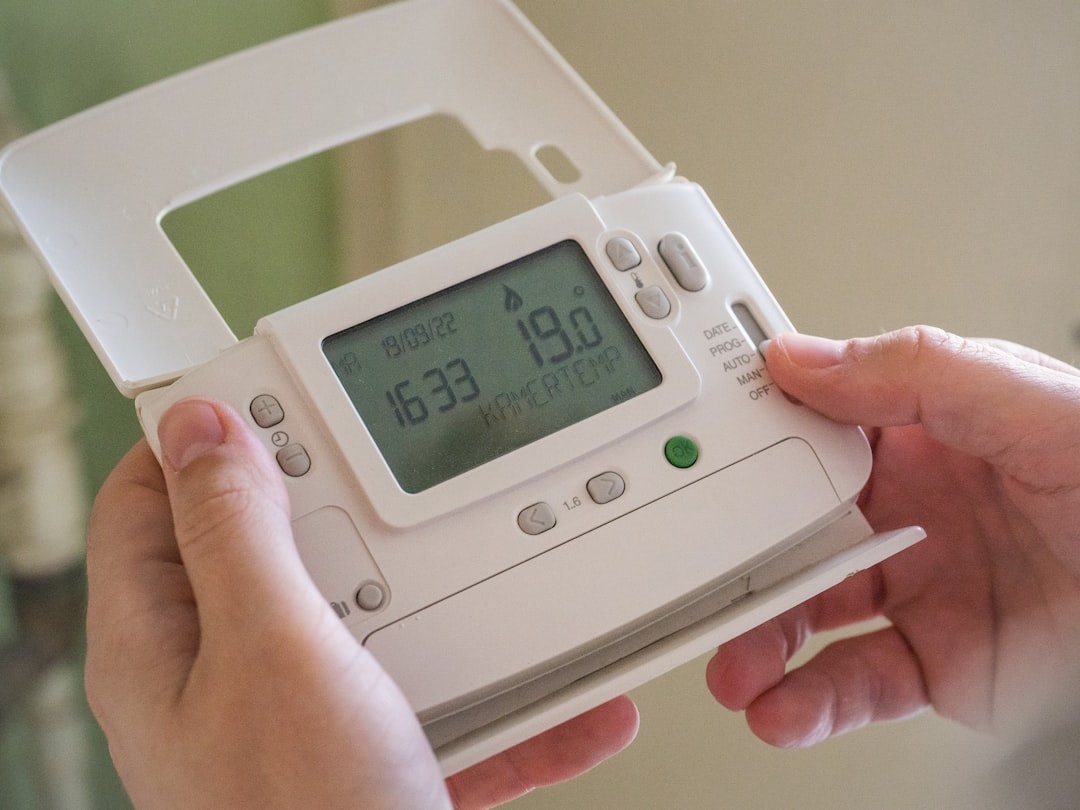
Local boiler engineers and national gas boiler repair firms approach these pressures differently. Locals trade on proximity, personal reputation, and the agility to deliver same day boiler repair. Nationals build around scale, contact centre coverage, and sometimes bundling, such as service plans that wrap in callouts and parts. Either can be right, but not at the same time for the same household.
How the market actually works
A local engineer typically runs a small company, anywhere from a sole trader to a team of three or four, sometimes a larger regional outfit covering a few postcodes such as LE1 to LE7. You will often deal with the same person who diagnoses the issue, sources the part, and fits it. Barring sickness and holidays, you have continuity. Response is shaped by the diary and the day’s geography. If you call from Evington at 8:30 a.m. and the engineer is finishing a landlord CP12 in Thurmaston at 10, you stand a decent chance of a midday visit. If the van is across town in Braunstone and there is traffic near Groby Road, the timescale stretches.
National firms coordinate through a scheduling system. Some engineers are staff, others are contractors paid per job. The firm sets service level targets, such as emergency attendance within 24 hours. A call handler will triage the fault and slot you into a route. You may not meet the same person twice. For boiler repair Leicester coverage, a national will group work into runs that batched LE postcodes together, which is efficient for them but sometimes frustrating when you are the last call.
Speed of attendance and the reality of same day repair
Speed depends on the diary and the availability of parts. Local engineers can be nimbler for urgent boiler repair in their core area. I have had days in Leicester where we answered three separate no heat calls by mid afternoon simply because we were already close. When a city centre flat lost hot water on a Friday evening, a local who keeps a handful of diverter valves and electrodes in the van can rescue the weekend when a national might not dispatch until Saturday morning.
Nationals excel in off peak reliability. You can often get a guaranteed window, sometimes evening slots, and dedicated helplines that stay open late. If you call at 2 a.m., you will reach someone who logs your case. That does not always mean a 3 a.m. visit, but the process starts.
Whether you achieve same day boiler repair hinges on parts. A fan, a pressure sensor, an ignition electrode, or a PRV can be carried in a van. A printed circuit board, plate heat exchanger, or a brand specific gas valve may require ordering. Local engineers build relationships with trade counters in Leicester, such as the Plumb Center, City Plumbing, or Wolseley on Aylestone Road, and know the stock habits. If I called at 9:05 and asked the counter for a Vaillant ecoTEC plus 831 fan, I knew whether they had one before the kettle boiled. A national engineer doing boiler repairs Leicester wide may have depot access and a central warehouse, which is good for obscure parts, but it can introduce a day’s delay.
Pricing transparency and what you really pay
Pricing is not just the hourly rate. It is the clarity around diagnosis, parts markup, and guarantees. Local firms usually quote a callout that covers the first hour and diagnostic, then an hourly rate thereafter. Typical rates vary by region and time of year. In Leicester, callouts for gas boiler repair often fall between £60 and £110 during business hours, rising in the evening or at weekends. Parts are charged at trade price plus a margin, commonly 10 to 30 percent, which funds the warranty overhead and stock risk. A frank local will explain costs line by line, often with photos of the failed part.
National firms may advertise headline rates, sometimes bundled plans. The value of a plan depends on the health of your boiler. If your appliance is ten years old and you do not know its service history, a plan can be sensible if it covers key components and includes an annual service. The catch is in exclusions. Scale damage, sludge in the system, or pre existing faults are often exempt. Pay as you go callouts from a national can be competitive for simple faults, but it is common to see a fixed diagnostic fee with additional labour bands and parts supplied only from their channels at standardised prices.
From an accountant’s point of view, locals tend to be cheaper over a long run of straightforward jobs, because you are paying for time and skill, not the machinery of a contact centre. For complex or intermittent faults, a national may absorb more diagnostic time within a flat fee if you are on a service contract. Always ask for a written scope before authorising work, no matter who you use.
Technical capability and the brands that trip people up
No two boilers fail the same way. A condensing combi in a terraced house behaves differently under fault than a system boiler serving an unvented cylinder. Local engineers often develop strong brand literacy based on their patch. In Leicester, I saw a lot of Ideal Logic and Atlantic units in new build estates around Hamilton, Vaillant ecoTEC in Victorian semis retrofitted during the last big round of energy grants, and Worcester Bosch Greenstar in owner occupied homes where the installer pushed the brand’s reliability.
Nationals cross train engineers across a wider spread of makes and models. If you have a niche appliance, like a Baxi back boiler unit still clinging to life or a high output condensing system that feeds underfloor loops, a national may have deeper technical notes and direct back channels to the manufacturer. That said, an independent Gas Safe engineer who happens to specialise in Vaillant or Worcester can recognise a failing pump modulation signal by ear and confirm it with multimeter readings and flue gas analysis within minutes. I once shadowed a local who diagnosed a recurring F75 fault on a Vaillant in Clarendon Park simply by noting the system pressure rise on startup, then proved the case with a pressure transducer swap. The previous national visit changed the PCB, which worked for a week then failed again.
The lesson is not that one side is smarter. It is that repeated exposure to the same patterns builds an intuition you cannot fake. Ask any prospective engineer what they see most often with your brand and model. Listen for specifics: sticking diverter paddles on a Logic, failed condensate traps on early Greenstar Juniors, sensors fouled by debris on Ferroli. Vague answers mean slow diagnostics later.
Parts pipelines, stock discipline, and lead times
Small firms live or die by how well they predict parts demand. The good ones keep a van stock aligned to local boiler demographics. I kept flue seals for Greenstar, ignition leads for Vaillant, fans for common Ideals, a handful of AAVs, a 15 mm zone valve head, and detergents for quick chemical cleans. On a cold Tuesday in January, that meant I could close two thirds of calls on first visit. For rare parts, I leaned on suppliers who would shuttle stock across branches by 3 p.m., or I drove over lunch.
Nationals integrate with manufacturer distribution. If the part exists in a central hub, they can draw it in overnight. That helps when you hit something like an obsolete flue adapter or a specific board variant that a high street counter does not carry. The trade off is bureaucracy. An engineer may need approval to fit a non standard alternative, even when a simple universal AAV would do, which can keep you cold for another day.
Whichever route you take, ask the engineer whether they have the part or how soon they can source it. A plain answer beats a promise. If they say tomorrow by 10 a.m., note it. If they hedge, plan for heaters and a hot water workaround.
Safety, compliance, and paperwork that protects you
Only Gas Safe registered engineers can legally work on gas appliances in the UK. Check credentials. A proper engineer carries a Gas Safe card with their name, photo, and the categories they are qualified for, such as domestic boilers and flue gas analysis. Ask politely to see it, especially if you have not used them before. Reputable locals and nationals expect the request.
A sound gas boiler repair also touches compliance. Flue terminations must meet Building Regulations and manufacturer instructions. Condensate discharge should be sized and routed to prevent freezing or siphoning. The Benchmark logbook should be updated after major work or servicing, and a combustion analysis reading recorded. I have found flues patched with tape in lofts and condensate pipes run to open ground in back yards. A national will usually catch these during a health check and flag them red or amber. A diligent local will do the same, and often quote a fix there and then.
If you are a landlord, you need an annual Gas Safety Record, often called a CP12. Choose a provider who can handle volume and reminders. Many locals manage portfolios cleanly with digital records and repeat visits scheduled around tenancy changes. Nationals offer portals where you can view certificates across properties. It is not just convenience. Good records reduce comeback if a tenant reports a smell of gas or a complaint about heating reliability.
Warranties, guarantees, and what they really cover
There are two layers here. First, the warranty on the part or boiler, backed by the manufacturer. Second, the workmanship guarantee from the company that fitted it. Locals generally stand behind their labour for 12 months on like for like parts replacements. If a fan they fitted fails within that window, they will usually return at no labour charge and handle the supplier claim. The best ones offer written guarantees, even if brief.
Nationals have formal warranty processes, which can be reassuring. They track parts batches and manage claims internally. If you hold a service plan, the return visit and part swap is often frictionless. The flip side is rigidity. If a fault straddles two categories, like a failure caused partly by sludge and partly by a dodgy motorised valve, a local may take a pragmatic decision, while a national may separate the issues and bill the sludge clean as out of scope.
With full boiler replacements, manufacturers often offer extended warranties when installed by accredited partners. A Worcester Bosch accredited installer might give you 10 years on certain models if the system is cleaned and a magnetic filter fitted. Both locals and nationals can reach this status. Check the installer’s accreditation and ask them to register your boiler with the manufacturer. Keep the Benchmark book up to date, or you risk invalidating the cover.
Customer service that actually answers the phone
When heat fails overnight, you want to know someone will respond at breakfast. Local engineers who anchor their business in a city like Leicester build loyalty on phone habits. If I missed a call during a flue check, I sent a text with an estimated call back time. If an older client in Oadby struggled with the thermostat, I pencilled a courtesy visit after the last job. That kind of care earns word of mouth and five star reviews that a billboard cannot buy.
Nationals deliver scale and predictability. You get a case number, escalations, and usually clear SLAs. If you prefer not to rely on a single person, a national’s call centre gives you confidence that your message will not languish unheard while someone is under a boiler in Glenfield. The trade off is occasionally scripted responses and the sense you are a ticket in a queue. For some, that is a fair deal.
Local knowledge often solves hidden problems
Heating systems are creatures of their buildings and streets. Leicester’s housing stock swings from solid brick Victorian terraces with long flue runs to tight new builds where condensate freezing bites hard. Locals who work the same estates see patterns. A row of semis near Aylestone once saw recurrent low pressure calls each December. The cause was not leaks, but a cluster of underfilled expansion vessels after kitchen refits. We started bringing a gauge and pump as standard on pre Christmas services in that postcode and saved a dozen winter callouts.
Another example is water quality. If your boiler is limed up from hard water on the hot side, a local may know which estates are worst hit and push to fit a scale reducer or advise a plate heat exchanger clean at the same visit as a diverter swap. Nationals follow the book too, but the engineer on a route may not carry the descaler or the specific adaptors unless the job was pre quoted that way. That can add days.
When a national firm shines
There are clear scenarios where scale helps. If you run a landlord portfolio across multiple cities, a single contract with a national simplifies your admin. Tenants have one number. Certificates flow into one portal. If you want 24 hour call handling for urgent boiler repair, a national’s infrastructure gives peace of mind.
Complex, intermittent faults that demand long diagnostic sessions can be kinder to your wallet under a service plan if those terms include diagnostic time and key parts. Nationals often have lab style support where an engineer can phone a technical helpline and step through edge cases. On a Vaillant with a rare firmware issue or a Worcester that throws sporadic flame detection errors, that back channel matters.
They are also strong on safety escalations. When a flue integrity test fails, a national will usually lock off the appliance and prioritise a follow up. The process is visible and documented, which insurers appreciate if there is ever a claim.
When a local boiler engineer is the better call
If you need same day boiler repair and you are inside a local’s coverage zone, your odds of seeing someone quickly go up. The van might already be three streets away. If your job is not complex, such as a failed thermistor, a blocked condensate pipe, or a sticking diverter valve, a good local can have parts fitted before a national’s morning route leaves the depot.
For homeowners who value continuity, a local gives you the same face and brain year after year. They remember that your kitchen socket trips when you use the kettle and the oven at the same time, which matters when they test the boiler. They know your loft hatch needs a long ladder. They recall the flue termination near the neighbour’s extension, and they have already spoken to the neighbour about it. Small details cut time and reduce mistakes.
Cost often favours locals for one off jobs. You pay for time and parts, not a contract wrapper. If you live in Leicester and ask around, you will find names that crop up again and again for boiler repairs Leicester wide. That social proof is worth more than any brochure.
Edge cases that tilt the balance
- Heritage or listed properties: Flues can be boxed, ducts long, and access constrained. A local who has worked in similar stock knows how to scope with minimal disruption. If specialist flue sections are needed, a national’s access to manufacturer support helps. Rural outskirts: Villages beyond the ring road can be tricky for response. A national may group you into a weekly route. A local based nearby will be faster for local emergency boiler repair when weather turns. Commercial plant rooms: Multi boiler cascade systems, BMS integration, and gas trains fall outside domestic categories. Nationals and larger regionals with commercial Gas Safe tickets are safer choices unless you find a local with the right experience. Tenancies and HMOs: Document trails matter. If you struggle to keep up with CP12s and service reminders, choose a provider with automated nudges and digital certificates. Some locals do this brilliantly. Nationals standardise it. Ongoing issues caused by system contamination: Sludge blocks plate heat exchangers, sticks TRVs, and burns pumps. If a national flags contamination and refuses a parts warranty until a flush is done, a local might offer a same day chemical clean and fit a magnetic filter, then commit to a return visit for a full power flush when the diary allows. The right answer depends on risk and budget.
The Leicester angle, because place matters
Leicester is a city of short hops and fiddly parking. At school run times, Narborough Road locks up. On match days near Filbert Way, you can lose an hour. Locals factor that into scheduling. They will set realistic windows and shuffle jobs to avoid gridlock. A national’s dispatcher might not spot that nuance and will give you a noon to 6 p.m. slot that slips as the van crawls through traffic.
Trade counters influence results. If I finish a job on Welford Road and need a Worcester electrode, I know which suppliers stock it and who will put it behind the counter if I phone ahead. If I need a hot surface igniter for an older boiler in Syston, I know to call a specific warehouse across town by 11 a.m. to catch their van. This is local knowledge baked into muscle memory, and it shortens no heat time by hours.
There is also the small matter of relationships. A local boiler engineer who has fitted a neighbour’s system and keeps half the street warm in winter will work hard not to blot that reputation. Word of mouth travels in Leicester’s tight communities from Belgrave to Knighton. A national’s brand is broader, so the loyalty loop is less immediate.
How to judge quality beyond the logo
The best engineers, local or national, share habits that you can spot within minutes. They isolate the appliance properly, test for gas tightness where it is relevant, and ask sensible questions about symptoms rather than jumping straight to part swapping. They carry a flue gas analyser within calibration date and know how to use it. They check the condensate route, pressure relief discharge, and ventilation, even if they came for a quick ignition fault. They explain findings in plain English and show you the failed part where practical.
Ask for photos of the work, especially if it is in a loft or behind panels. Keep copies of invoices and any reports. These become gold if you sell the house or if an insurer queries a claim.
What about emergency callouts after hours
Out of hours economics are simple. You pay more because the engineer is giving up family time or sleep. Locals usually set a clear evening and weekend rate. Nationals may have a premium tier within plans that covers out of hours attendance, but non members will see a steep callout. If you have vulnerable people at home or the weather is freezing, call whoever can attend safely. If you can wait until morning by using electric heaters and boiling water for washing, you will save money.
In practice, urgent boiler repair after 7 p.m. buys attendance and safe stabilisation. If the fault is fixable without parts, you will get heat back. If a part is needed, the goal is to make the system safe and comfortable enough to bridge to the next day.
Realistic cost ranges to orient your expectations
All numbers vary by brand, model, and stock, but rough guideposts help. A callout and diagnostic in Leicester during business hours usually sits between £60 and £110 with locals, £90 to £140 with nationals. A simple sensor swap might be £90 to £180 all in with a local, £150 to £250 with a national. A fan replacement can be £220 to £420 depending on brand and access. A PCB can range from £180 to £450. Diverter valve assemblies vary widely, from £120 parts only on some Ideals to £250 plus on certain Vaillants. Power flushing a typical three bed semi’s system will sit somewhere between £300 and £600, including chemicals and a filter, more if there are microbore runs or heavy sludge.
If someone quotes far below these bands, question the scope and parts quality. If a quote is far above, ask what it includes. Sometimes a premium price reflects bundled warranties, multiple visits, or upstream fixes like re routing a condensate to stop future freezing.
How “same day” claims map to reality
Same day boiler repair is a phrase that sells. Sensible firms treat it as an aim, not a promise. The honest version is this: if you call before mid morning and the fault is common with parts held, you have a very good chance of heat by evening. If a bespoke part is required, the best you can hope for is attendance, diagnosis, and a firm plan for the next day. Beware of anyone who promises heat today without having seen the system or checking stock. Confidence is admirable, but physics and supply chains have a vote.
Choosing between local and national for boiler repair Leicester
If you are in Leicester and the heating fails, start with clarity. Write down symptoms: noises, fault codes, pressure swings, when the issue started, and what changed in the house recently. Photograph the boiler’s data plate and the fault code on the screen. Note whether the hot water still works if you have a combi. This speeds triage and helps whichever provider you choose.
Here’s a compact buyer’s filter that helps most households in rapid same day boiler repair the city decide quickly:
- If you need attendance in hours and live within a local’s core LE postcodes, call a well reviewed local boiler engineer first and ask if they can do boiler repair same day. If it is overnight, you want a guaranteed phone response, or you hold a service plan, call the national first for logging and triage, then weigh their ETA against a local’s morning slot. If your boiler is within its manufacturer warranty and you used an accredited installer, ring that installer or the manufacturer’s service partner before anyone else. If you run multiple rental properties and need consistent paperwork, a national’s portal and structured SLAs reduce admin. A strong local with portfolio management can compete, but ask for references. If the fault looks complex or intermittent and you do not want diagnostic charges creeping up, consider a national plan that includes diagnostics, then check for exclusions around sludge, scale, and pre existing issues.
Due diligence that prevents regrets
Before you book, two minutes of checking removes most risk. Use this micro checklist:
- Verify Gas Safe registration and the engineer’s categories, and ask to see the card on arrival. Request a rough quote structure in writing, including the callout, hourly labour, and parts sourcing approach. Ask whether they carry your boiler’s common parts, and if not, their usual lead times from local suppliers in Leicester. Find out what their workmanship guarantee covers and how long it lasts, and whether they will handle manufacturer part claims. Confirm you will receive a job sheet or service record with any combustion readings and safety notes, and that they will update the Benchmark book if relevant.
A note on prevention that pays back
A well timed service lowers the odds of winter failures. A qualified boiler engineer will clean the condensate trap, inspect the burner, check ignition electrodes, test gas rate and combustion, verify expansion vessel charge, and note early signs of leaks. In Leicester, a pre heating season service around September avoids the crush of first frosts, when everyone realises the diverter is sticking and the pump is grumbling. If your boiler is older, consider a magnetic filter and a system flush if radiators heat unevenly. These are not gimmicks. Sludge silently shortens component life and triggers callouts at the worst times.
Smart controls help too. A well set weather compensated system or a simple, reliable programmable thermostat prevents hard cycling and keeps your boiler in its efficiency sweet spot. Nationals often bundle controls with installs. Locals can supply and set them up with more custom attention, especially if your house has odd heat loss patterns.
Pulling the threads together
Local or national is not a moral choice. It is a match to your situation, your appetite for risk, and how you value speed, price, and process. In a city like Leicester, a trusted local can often deliver same day repair, personal accountability, and thoughtful fixes that reflect the quirks of your home. A national provides breadth, round the clock logging, and the frameworks that serve landlords and complex cases well.
If you are staring at a cold boiler now, breathe, gather the basics, and pick the route that gets a qualified person to your door with the right parts in the shortest safe time. If you are scanning this with heat still on, invest in a proper service, record the engineer’s details, and think ahead. That is how you avoid hunting for local emergency boiler repair on the coldest night of the year.
For anyone comparing providers for boiler repair Leicester wide, the simplest strategy is to keep two numbers stored: one outstanding local boiler engineer you trust for fast, no fuss help, and one national helpline that honours service plans and covers you at odd hours. Between them, you will rarely wait long, and you are more likely to get a fix that lasts.
Local Plumber Leicester – Plumbing & Heating Experts
Covering Leicester | Oadby | Wigston | Loughborough | Market Harborough
0116 216 9098
[email protected]
www.localplumberleicester.co.uk
Local Plumber Leicester – Subs Plumbing & Heating Ltd deliver expert boiler repair services across Leicester and Leicestershire. Our fully qualified, Gas Safe registered engineers specialise in diagnosing faults, repairing breakdowns, and restoring heating systems quickly and safely. We work with all major boiler brands and offer 24/7 emergency callouts with no hidden charges. As a trusted, family-run business, we’re known for fast response times, transparent pricing, and 5-star customer care. Free quotes available across all residential boiler repair jobs.
Service Areas: Leicester, Oadby, Wigston, Blaby, Glenfield, Braunstone, Loughborough, Market Harborough, Syston, Thurmaston, Anstey, Countesthorpe, Enderby, Narborough, Great Glen, Fleckney, Rothley, Sileby, Mountsorrel, Evington, Aylestone, Clarendon Park, Stoneygate, Hamilton, Knighton, Cosby, Houghton on the Hill, Kibworth Harcourt, Whetstone, Thorpe Astley, Bushby and surrounding areas across Leicestershire.
Google Business Profile:
View on Google Search
About Subs Plumbing on Google Maps
Knowledge Graph
Latest Updates
Follow Local Plumber Leicester:
Facebook |
Instagram

Visit @subs_plumbing_and_heating on Instagram
Gas Safe Boiler Repairs across Leicester and Leicestershire – Local Plumber Leicester (Subs Plumbing & Heating Ltd) provide expert boiler fault diagnosis, emergency breakdown response, boiler servicing, and full boiler replacements. Whether it’s a leaking system or no heating, our trusted engineers deliver fast, affordable, and fully insured repairs for all major brands. We cover homes and rental properties across Leicester, ensuring reliable heating all year round.
❓
Q. How much should a boiler repair cost?
A. The cost of a boiler repair in the United Kingdom typically ranges from £100 to £400, depending on the complexity of the issue and the type of boiler. For minor repairs, such as a faulty thermostat or pressure issue, you might pay around £100 to £200, while more significant problems like a broken heat exchanger can cost upwards of £300. Always use a Gas Safe registered engineer for compliance and safety, and get multiple quotes to ensure fair pricing.
❓
Q. What are the signs of a faulty boiler?
A. Signs of a faulty boiler include unusual noises (banging or whistling), radiators not heating properly, low water pressure, or a sudden rise in energy bills. If the pilot light keeps going out or hot water supply is inconsistent, these are also red flags. Prompt attention can prevent bigger repairs—always contact a Gas Safe registered engineer for diagnosis and service.
❓
Q. Is it cheaper to repair or replace a boiler?
A. If your boiler is over 10 years old or repairs exceed £400, replacing it may be more cost-effective. New energy-efficient models can reduce heating bills by up to 30%. Boiler replacement typically costs between £1,500 and £3,000, including installation. A Gas Safe engineer can assess your boiler’s condition and advise accordingly.
❓
Q. Should a 20 year old boiler be replaced?
A. Yes, most boilers last 10–15 years, so a 20-year-old system is likely inefficient and at higher risk of failure. Replacing it could save up to £300 annually on energy bills. Newer boilers must meet UK energy performance standards, and installation by a Gas Safe registered engineer ensures legal compliance and safety.
❓
Q. What qualifications should I look for in a boiler repair technician in Leicester?
A. A qualified boiler technician should be Gas Safe registered. Additional credentials include NVQ Level 2 or 3 in Heating and Ventilating, and manufacturer-approved training for brands like Worcester Bosch or Ideal. Always ask for reviews, proof of certification, and a written quote before proceeding with any repair.
❓
Q. How long does a typical boiler repair take in the UK?
A. Most boiler repairs take 1 to 3 hours. Simple fixes like replacing a thermostat or pump are usually quicker, while more complex faults may take longer. Expect to pay £100–£300 depending on labour and parts. Always hire a Gas Safe registered engineer for legal and safety reasons.
❓
Q. Are there any government grants available for boiler repairs in Leicester?
A. Yes, schemes like the Energy Company Obligation (ECO) may provide grants for boiler repairs or replacements for low-income households. Local councils in Leicester may also offer energy-efficiency programmes. Visit the Leicester City Council website for eligibility details and speak with a registered installer for guidance.
❓
Q. What are the most common causes of boiler breakdowns in the UK?
A. Common causes include sludge build-up, worn components like the thermocouple or diverter valve, leaks, or pressure issues. Annual servicing (£70–£100) helps prevent breakdowns and ensures the system remains safe and efficient. Always use a Gas Safe engineer for repairs and servicing.
❓
Q. How can I maintain my boiler to prevent the need for repairs?
A. Schedule annual servicing with a Gas Safe engineer, check boiler pressure regularly (should be between 1–1.5 bar), and bleed radiators as needed. Keep the area around the boiler clear and monitor for strange noises or water leaks. Regular checks extend lifespan and ensure efficient performance.
❓
Q. What safety regulations should be followed when repairing a boiler?
A. All gas work in the UK must comply with the Gas Safety (Installation and Use) Regulations 1998. Repairs should only be performed by Gas Safe registered engineers. Annual servicing is also recommended to maintain safety, costing around £80–£120. Always verify the engineer's registration before allowing any work.
Local Area Information for Leicester, Leicestershire